Things to Know Before You Buy Orthopedic Mattress
An orthopedic mattress is no longer just for people with back pain. Today, many sleep experts recommend orthopedic mattresses for anyone who wants proper spine alignment, pressure relief, and long-term sleep health.
But buying the right orthopedic mattress can be confusing. With so many materials, firmness levels, and marketing claims, it is easy to choose the wrong one.
This guide explains everything you need to know before buying an orthopedic mattress, clears common misconceptions, and helps you make an informed decision.
What Is an Orthopedic Mattress?
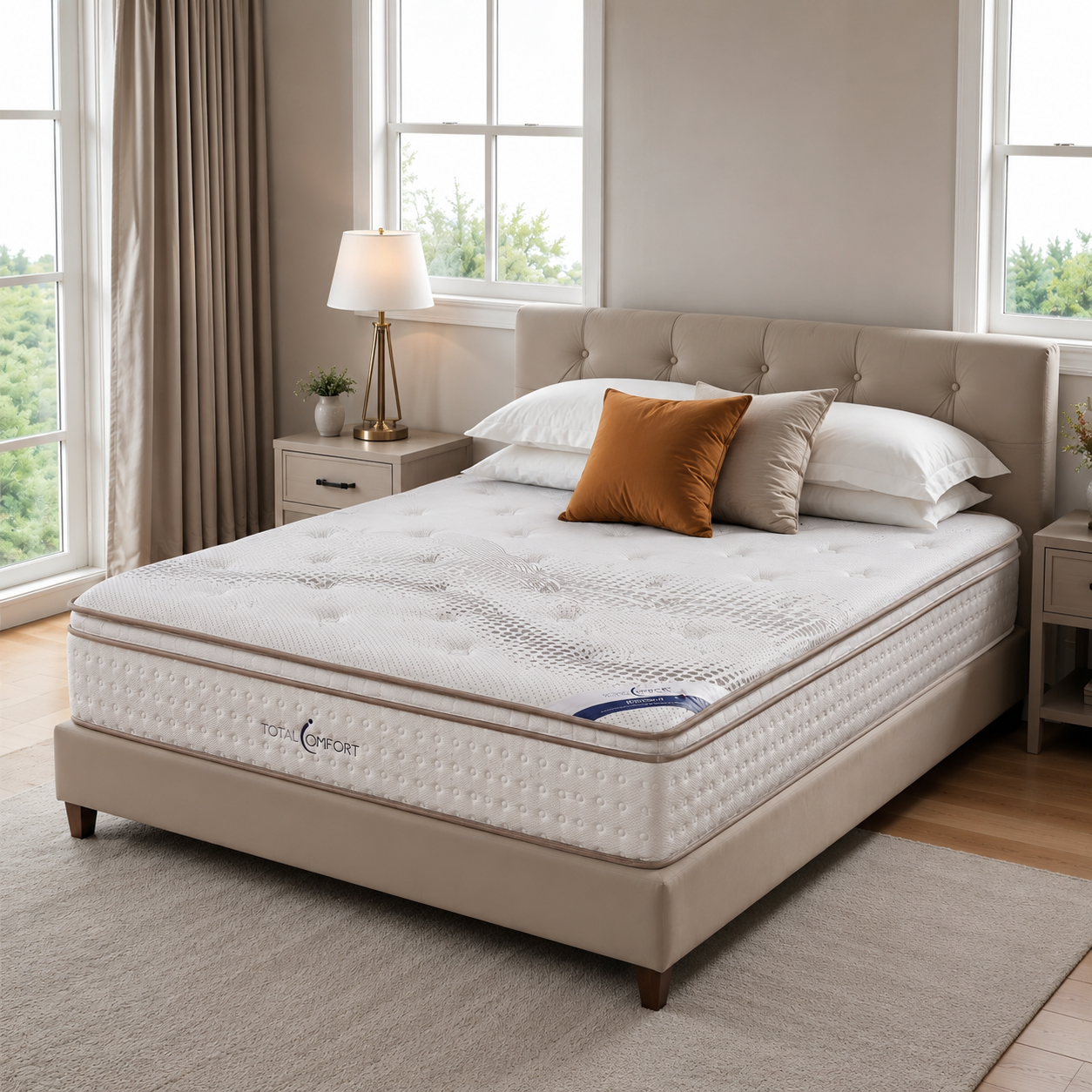
An orthopedic mattress is designed to support the natural alignment of the spine, reduce pressure points, and maintain proper posture while sleeping. Unlike regular soft mattresses, orthopedic mattresses provide balanced firmness that supports your back, neck, and joints.
They are especially beneficial for:
- Back pain and neck pain
- Joint stiffness
- Poor posture
- Long sleeping hours
- People above 30 years of age
Why Orthopedic Mattresses Are Becoming So Popular
Today’s lifestyle involves long sitting hours, mobile phone usage, and poor posture. As a result, even younger people experience back and neck pain.
An orthopedic mattress helps by:
- Improving posture while sleeping
- Reducing morning stiffness
- Supporting muscle recovery
- Enhancing sleep quality
We at Total Comfort design orthopedic mattresses, keeping modern lifestyle problems in mind, making them suitable not only for pain relief but also for preventive care.
Key Things to Know Before Buying an Orthopedic Mattress
Firmness Level Is Crucial
Many people believe orthopedic mattresses must be extremely hard. This is not true.
The ideal orthopedic mattress is medium firm to firm, not rock hard. It should support your body without creating pressure points.
Best firmness depends on:
- Your body weight
- Sleeping position
- Existing back or joint issues
For most sleepers, medium-firm orthopedic mattresses offer the best balance.
Material Matters More Than Thicknes
Thickness alone does not define mattress quality. Material plays a bigger role.
Popular orthopedic mattress materials include:
- Memory foam for pressure relief
- Latex for natural elasticity and durability
- High-resilience foam for consistent firmness
- Hybrid mattresses combining foam and springs
If you experience back pain, memory foam or latex orthopedic mattresses are often recommended.
Spine Alignment Is the Real Goal
A good orthopedic mattress keeps your spine in a straight line while sleeping. It should:
- Support your lower back
- Prevent sinking or sagging
- Adjust to your body contours
This is one reason many sleepers switch to orthopedic mattresses from regular soft mattresses after experiencing discomfort.
Sleeping Position Should Guide Your Choice
Your sleeping position affects mattress selection.
- Back sleepers need medium-firm support
- Side sleepers need pressure relief for shoulders and hips
- Stomach sleepers need firmer surfaces to avoid spine strain
Orthopedic mattresses designed with adaptive foam layers work well across sleeping positions.
Breathability and Temperature Control
Orthopedic mattresses should not trap heat. Look for:
- Breathable foam
- Open cell structure
- Airflow channels or ventilated latex
This ensures comfortable sleep throughout the year.
Durability and Warranty
A quality orthopedic mattress should last 5 to 10 years without sagging.
Always check:
- Foam density
- Material certifications
- Warranty period
Reliable brands like Total Comfort prioritize long-lasting materials that maintain support over time.
Common Misconceptions About Orthopedic Mattresses
1. Orthopedic Mattresses Are Only for Old People
Truth: Anyone can benefit from better posture and spine support. Young professionals and athletes often choose orthopedic mattresses for preventive care.
2. Hard Mattresses Are Best for Back Pain
Truth: Extremely hard mattresses can increase pressure points. The right balance of firmness and comfort is key.
3. Orthopedic Mattresses Are Uncomfortable
Truth: Modern orthopedic mattresses combine comfort layers with support layers, making them both comfortable and supportive.
4. Thicker Mattress Means Better Support
Truth: Support comes from internal structure, not thickness. A well-engineered 15 cm orthopedic mattress can outperform a poorly designed 30 cm one.
5. Orthopedic Mattresses Are Just Rebonded Foam
Truth: True orthopedic mattresses use engineered support layers for proper spine alignment. Rebonded foam alone does not make a mattress orthopedic.
Different Types of Orthopedic Mattresses You Should Know
Understanding the types of orthopedic mattresses is essential before buying. Each type offers a different kind of support and feel.
Orthopedic Memory Foam Mattress
A memory foam orthopedic mattress adapts to your body shape and relieves pressure points. It is ideal for people who experience back pain, joint pain, or restless sleep.
Memory foam helps distribute body weight evenly and keeps the spine aligned throughout the night.
Best for:
- Back pain sufferers
- Side sleepers
- Couples needing motion isolation
Orthopedic Natural Organic Latex Mattress
Latex orthopedic mattresses provide medium to medium-firm yet responsive support. They do not sink deeply and offer excellent bounce and durability. Natural latex also allows better airflow, making it suitable for people who feel hot while sleeping.
Best for:
- People who prefer medium-firm support
- Back and stomach sleepers
- Those looking for long-lasting mattresses
Orthopedic Foam Mattress
High-resilience foam orthopedic mattresses provide consistent support without too much sink. They are supportive, durable, and suitable for everyday use.
Best for:
- People wanting balanced firmness
- Budget-conscious buyers
- Daily long-hour sleepers
Orthopedic Hybrid Mattress
Hybrid orthopedic mattresses combine foam layers with pocket springs. They offer the benefits of pressure relief and strong support along with better airflow.
Best for:
- Couples
- People needing strong spine support
- Those who want comfort without heat buildup
Choosing the Right Firmness for an Orthopedic Mattress
One of the biggest misunderstandings is that orthopedic mattresses must be very hard. In reality, the right firmness is medium to medium-firm, depending on body type and sleeping position.
A mattress that is too hard can cause pressure points, while a mattress that is too soft can misalign the spine.
Most orthopedic mattresses from
Choosing the Right Firmness for an Orthopedic Mattress
One of the biggest misunderstandings is that orthopedic mattresses must be very hard. In reality, the right firmness is medium firm to firm, depending on body type and sleeping position.
A mattress that is too hard can cause pressure points, while a mattress that is too soft can misalign the spine.
Most orthopedic mattresses from Total Comfort are designed to provide balanced firmness that supports the spine without sacrificing comfort.
Who Should Buy an Orthopedic Mattress?
Orthopedic mattresses are ideal for:
- People with back or neck pain
- Office workers with long sitting hours
- Couples needing motion isolation and support
- Anyone seeking better sleep posture
Final Thoughts
Buying an orthopedic mattress is not just about comfort, it is about investing in better sleep and long-term health. The right orthopedic mattress supports your spine, improves posture, and helps your body recover every night.
Instead of choosing randomly, understand your needs, know the different types, and select a mattress that offers the right balance of support and comfort.
When thoughtfully designed, an orthopedic mattress from Total Comfort can transform the way you sleep and wake up.